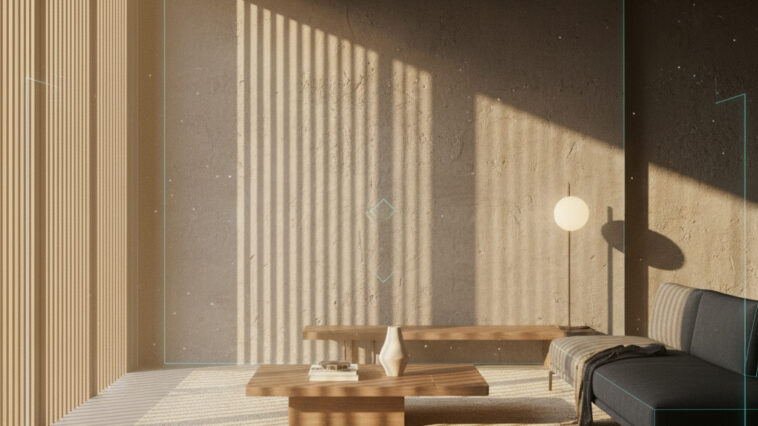
Architectural visualization is no longer just about showing what a building will look like—it’s about telling its story. With the power of Virtual Reality (VR), architects, designers, and real estate professionals can now create immersive experiences that let people feel the design long before it’s built. At CroqWorks Studio, we see VR as a new language of storytelling, where architecture comes alive through light, space, and emotion.
Unlike traditional renders or 3D images, VR invites users to step inside a design and connect with it on a personal level. It’s not just seeing a project—it’s living it. Here’s how virtual reality is reshaping architectural storytelling and why it’s quickly becoming an essential part of modern visualization.
1. Turning Architectural Concepts into Experiences
Every architectural project begins with an idea—a feeling, an atmosphere, a story waiting to unfold. Virtual Reality turns that idea into an experience. Instead of showing clients a static render, architects can now invite them to walk through rooms, feel the lighting, and experience scale as if the building already existed. This emotional connection helps clients truly understand the intent behind each design decision.
- Emotional Connection: A client might not remember every drawing, but they’ll remember how the design made them feel inside VR.
- True Scale: VR eliminates guesswork about dimensions and proportions, allowing clients to sense space naturally.
- Interactive Feedback: Architects can make adjustments in real time, refining the design collaboratively and intuitively.
2. Storytelling Through Light, Atmosphere, and Motion
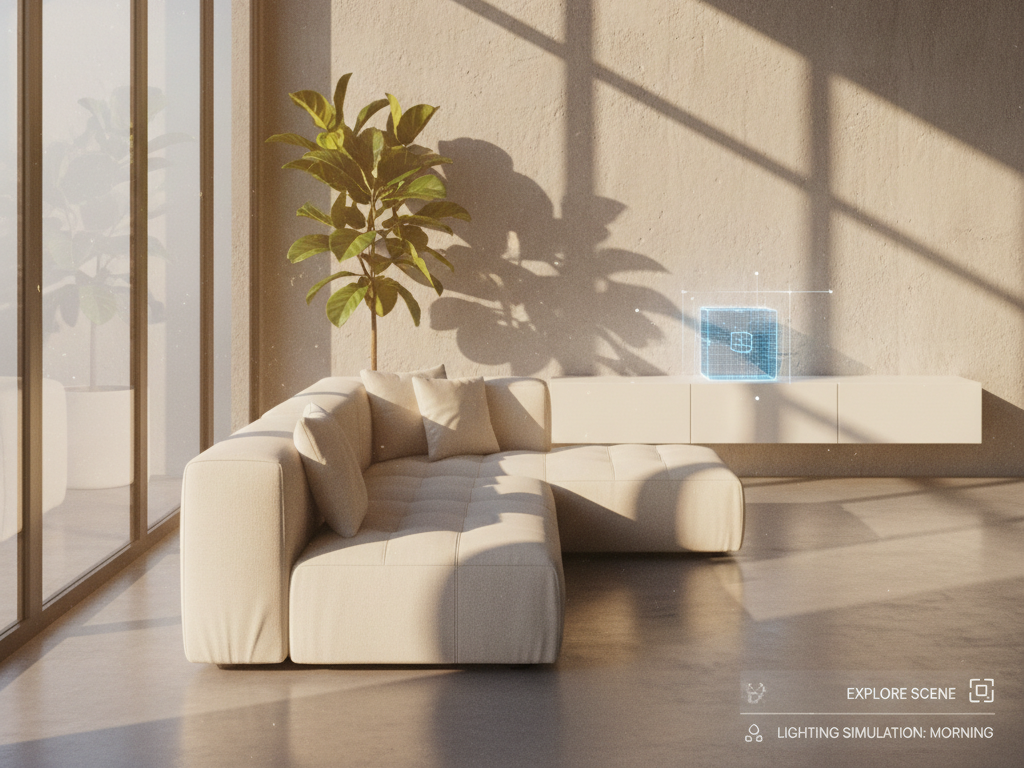
At CroqWorks Studio, we believe that light tells the story of a space. How morning sunlight fills a kitchen or how evening shadows move across a terrace—these details shape emotion. With VR, we can recreate and control those moments, helping clients feel the soul of a project before construction begins. The atmosphere, reflections, and even ambient sounds contribute to the narrative, transforming architectural visualization into a cinematic experience.
- Lighting as a Narrative Tool: Showcase how natural and artificial light changes mood and perception.
- Seasonal and Time-of-Day Simulations: Let clients experience spaces across different times of day or seasons.
- Environmental Immersion: Subtle soundscapes and environmental cues enhance the storytelling effect, making designs more believable and memorable.
3. From Blueprint to Emotion: A New Way to Communicate Design
VR gives architects and designers a way to communicate that goes beyond technical drawings. It bridges the gap between creativity and understanding—especially for clients without architectural backgrounds. By inviting people inside the story of their future home or building, VR builds confidence, trust, and excitement. It’s a collaborative tool that turns presentations into experiences.
- Immersive Presentations: Instead of explaining plans, architects can walk clients through them interactively.
- Design Validation: Seeing and feeling the space in VR helps identify issues or opportunities early on.
- Client Empowerment: VR helps clients make informed decisions with clarity and confidence.
4. The Future of Architectural Storytelling
As technology continues to evolve, storytelling through VR will become even more interactive and lifelike. With advances in lighting simulation, materials, and haptic feedback, architects will soon be able to convey texture, temperature, and even emotion within digital spaces. At CroqWorks Studio, we see this as more than a trend—it’s the natural next step in how architecture communicates meaning and experience.
In the end, architecture is about connection: between people, spaces, and ideas. Virtual Reality allows us to deepen that connection, turning imagination into something tangible and unforgettable. Through VR storytelling, every design becomes more than a structure—it becomes a journey.
At CroqWorks Studio, we create immersive VR experiences that help architects, realtors, and builders bring their visions to life—transforming plans into stories that people can truly experience.
